Silky Font Review: Elegant Script for Designers
When a project demands a touch of refined elegance, finding the right typeface can make or break the visual hierarchy. Silky is a lovely and delicate script font that exudes elegance and class, making it an ideal choice for designers seeking a sophisticated aesthetic. Whether you are working on high-end branding or personal projects, the ability to download Silky font free for evaluation allows you to test its versatility before committing. This typeface stands out in the crowded market of handwritten styles by balancing fluidity with legibility, ensuring your message is not only beautiful but also readable.
Introduction: What is Silky?
Silky belongs to the Script Handwritten category, a genre known for its human touch and organic feel. Unlike rigid geometric sans-serifs, Silky mimics the natural flow of a pen moving across paper. It was particularly crafted for designs that need a beautiful and refreshing look, offering a softness that feels both modern and timeless. For those searching for a Silky free download, this font provides an accessible entry point into premium-quality typography. Its unique character lies in its delicate strokes, which avoid the heaviness often found in bold scripts, making it a versatile tool for creating airy, light, and inviting compositions.
Design and Style Analysis
Understanding the structural nuances of Silky helps in utilizing it effectively. As a premium Script Handwritten font, it relies on contrast and rhythm to create visual interest.
Letterforms and Fluidity
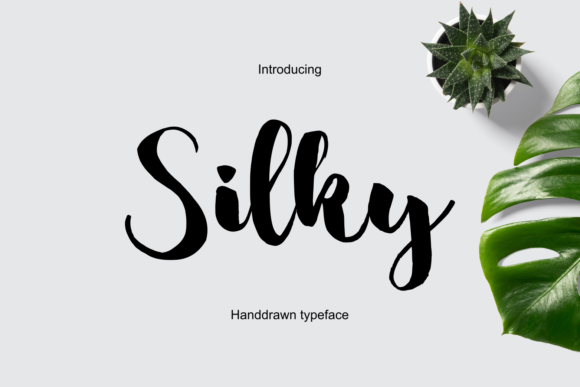
The letterforms in Silky are characterized by smooth transitions and subtle variations in stroke width. The connections between letters are seamless, avoiding the awkward breaks that plague lower-quality scripts. This continuity gives the text a cohesive, flowing appearance that is essential for maintaining the illusion of handwriting.
Weight and Spacing
Silky features a light to medium weight, which contributes to its delicate nature. The spacing is generous enough to prevent characters from colliding, yet tight enough to maintain word integrity. This balance is crucial when using it as a professional Fonts font for headlines where impact is necessary without sacrificing grace.
Best Uses for Silky
Versatility is key in modern design, and Silky performs exceptionally well across various mediums. Here is how you can leverage this typeface in your next project.
Silky for Logo Design
Logos require distinctiveness, and Silky offers a memorable signature style. It works beautifully for beauty brands, boutiques, and lifestyle coaches who want to convey approachability and luxury simultaneously. When used in Silky for logo design, ensure the scale is large enough to preserve the intricate details of the script.
Silky for Wedding Invitations
The romantic essence of this typeface makes it a top contender for nuptial stationery. Silky for wedding invitations adds a personal, heartfelt touch to save-the-dates, menu cards, and place settings. Its elegant curves complement floral illustrations and soft color palettes commonly found in wedding themes.
Silky for Branding and Packaging
In the realm of product packaging, typography speaks volumes about quality. Silky for branding helps elevate products like artisanal chocolates, perfumes, or skincare lines. The font’s classy demeanor suggests a premium experience, encouraging consumers to perceive the product as high-value.
Digital Media and Social Graphics
Beyond print, Silky shines in digital spaces. Use it for Instagram quotes, Pinterest pins, or website headers. Silky for posters and social media graphics grabs attention without overwhelming the viewer, provided it is paired with sufficient white space.
Font Pairing and Combinations
A common question among designers is, what fonts pair well with Silky? The answer lies in contrast. Since Silky is decorative and fluid, it needs a stable partner to ground the design.
For a classic look, pair Silky with a clean sans-serif like Montserrat or Lato. This Silky font pairing creates a modern juxtaposition where the simplicity of the sans-serif highlights the complexity of the script. Alternatively, for a more traditional feel, combine it with a serif font like Baskerville. The sharp serifs provide a structural framework that supports the loose loops of Silky. When exploring best font combinations with Silky, always prioritize readability. Avoid pairing it with other scripts or highly decorative display fonts, as this creates visual clutter and reduces legibility.
Licensing and Commercial Use
Before integrating any typeface into client work, understanding the legalities is paramount. Many users ask, is Silky free for commercial use? The answer depends on the specific license acquired during the Silky font download process. Typically, free versions are restricted to personal use, such as school projects or personal invitations.
For professional projects, you must secure a commercial license. Silky commercial use rights allow you to use the font in logos, advertisements, and products for sale. Always review the Silky font license agreement carefully. Some licenses may require attribution, while others offer a one-time fee for unlimited commercial applications. Ignoring these terms can lead to legal issues, so it is wise to purchase the appropriate license if you are generating revenue from your designs.
How to Download and Use Silky
Getting started with this typeface is straightforward. You can download Silky font free from reputable font repositories. Platforms like DaFont, FontSquirrel, or CreativeFabrica often host such files. Ensure you are downloading from a trusted source to avoid corrupted files or malware.
Once downloaded, installing the font is simple. On Windows, right-click the file and select "Install." On Mac, double-click the file and click "Install Font." After installation, you can access Silky in any design software. If you are wondering how to use Silky in Canva, note that Canva Pro allows custom font uploads, making it easy to integrate Silky into your templates. For Adobe Photoshop or Illustrator, simply restart the application after installation to see Silky in your font list. In Microsoft Word, it will appear in the dropdown menu like any other system font.
Designer Notes and Tips
To get the most out of Silky, consider these practical tips. First, always test your design in black and white before adding color. This helps you focus on the typographic hierarchy and ensures the Silky vs similar font choice is based on form rather than just color appeal. Second, pay attention to size. Because Silky is delicate, it may lose detail at very small sizes. Use it for headlines or short phrases rather than long body paragraphs.
Finally, compare Silky with other options in the free Script Handwritten font for Fonts category. While many scripts exist, Silky’s specific balance of elegance and freshness sets it apart. By respecting its delicate nature and pairing it wisely, you can create designs that are not only visually stunning but also emotionally resonant. Whether for a wedding suite or a luxury brand identity, Silky offers the perfect blend of professionalism and artistic flair.